Some material substitutions happen for cost reasons and get reversed when circumstances change. The shift from steel to pultruded FRP channel sections in specific structural applications doesn’t work that way. Facilities that make the switch in corrosion-prone areas tend to stay with FRP for subsequent projects because the maintenance record makes the case more convincingly than any specification document could.
That track record has accumulated in a handful of industrial sectors over decades, and the pattern is consistent enough that understanding where FRP channels work well — and why — is useful for anyone making procurement decisions for structural components in challenging environments.
The corrosion-driven switch
The most straightforward case for switching from steel to pultruded FRP channels is in environments where the steel maintenance burden is high enough that it’s driving the decision.
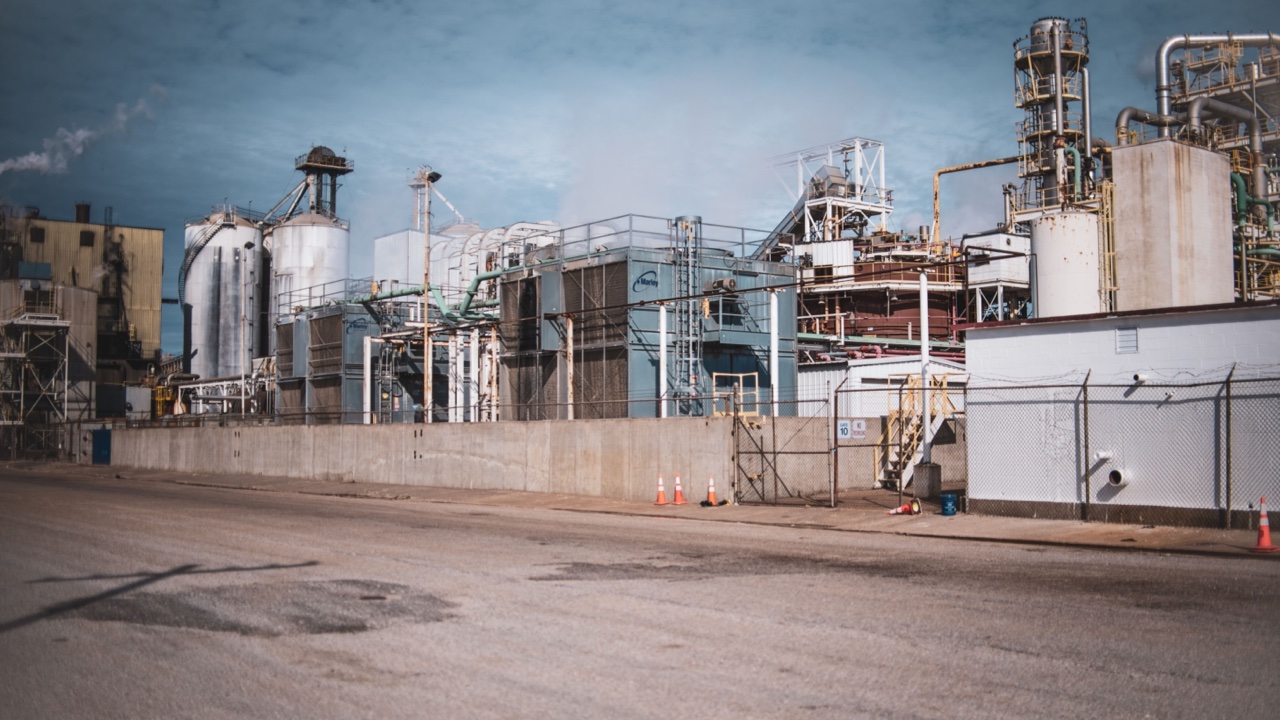
Steel channel sections in chemical plants, water treatment facilities, and coastal installations corrode at rates that depend on the aggressiveness of the environment. In a chlorinated indoor atmosphere typical of water treatment buildings, galvanized steel channels may need recoating every three to four years. Near direct acid exposure in chemical processing areas, the timeline is shorter. The cost of each maintenance cycle — scaffolding, surface preparation, recoating, inspection — adds up against a per-linear-meter cost that makes the FRP alternative look more economical over a five to ten year period than it does on initial purchase.
The switch sticks because the FRP channels deliver what they promised: they don’t rust, they don’t require recoating, and the maintenance cycle for structural framing in those areas effectively disappears. Facility managers who’ve seen one replacement cycle in a corrosive zone before switching to FRP, and then tracked the actual maintenance costs after the switch, are the most consistent advocates for the material.
Wastewater and water treatment applications
Water and wastewater treatment facilities are one of the primary markets for pultruded FRP channels. The combination of constant moisture, hydrogen sulfide in wastewater facilities, chlorine chemistry in water treatment, and the biological activity that produces acidic corrosion products creates an environment that deteriorates steel infrastructure steadily.
The structural framing for walkways, equipment supports, handrail posts, and cable tray supports in these facilities has been migrating to FRP over the past two decades. The initial installations were typically in the most aggressive zones — around chemical dosing equipment, in covered channel structures with poor ventilation, and in wet wells where H₂S concentrations are highest. As those installations demonstrated their durability, subsequent projects extended FRP use to the broader facility.
Vinyl ester resin is the standard specification for wastewater facilities because the combination of biological acids, hydrogen sulfide, and chlorinated compounds exceeds what isophthalic polyester handles reliably. The additional cost of vinyl ester over standard polyester is modest at the component level and is consistently justified by performance.
Chemical storage and containment framing
Secondary containment structures — the bunded areas that capture chemical spills around storage tanks — are another application where pultruded FRP channels have become a default specification. The framing for stairs, walkways, and equipment access in these areas is exposed to whatever chemicals are being stored, either through direct splash or through the corrosive vapors above spill areas.
Steel framing in secondary containment areas typically shows accelerated corrosion because the chemical exposure is periodic but concentrated — a spill event that floods the containment area deposits concentrated chemical on all surfaces and then recedes, leaving a residue that continues to attack the steel. FRP channel framing resists this cycle without the damage that steel accumulates over repeated events.
The structural load requirements in secondary containment are typically modest — light foot traffic, occasional equipment movement, handrail loads — which means the sections required are small and the cost comparison with equivalent steel is favorable. The combination of adequate structural performance, appropriate chemical resistance, and low maintenance has made FRP the standard specification for this application at most well-run chemical facilities.
Offshore and marine structural framing
Marine atmosphere — salt-laden humid air even without direct seawater contact — is one of the most corrosive environments for steel. Offshore platforms, coastal processing facilities, and marine terminals all deal with accelerated steel corrosion that drives the maintenance programs for structural components.
Pultruded FRP channels in offshore structural applications benefit from a combination of corrosion resistance and low weight. The weight reduction matters offshore because every kilogram added to a topside structure is a kilogram that the platform structure must carry — and offshore structural capacity is expensive to add. FRP channels in handrail systems, equipment support framing, and walkway edge members reduce topside weight relative to steel while eliminating the ongoing corrosion maintenance that steel requires in a marine environment.
The fire performance requirement in many offshore applications drives the resin specification toward phenolic or fire-retardant vinyl ester for FRP channels. Standard polyester doesn’t meet the flame spread requirements of most offshore fire safety codes.
The non-conductive advantage in electrical environments
Pultruded FRP channels are electrically non-conductive, which is a functional requirement rather than a bonus feature in certain applications. Structural framing in electrical substations and switchgear buildings must not create an inadvertent electrical path to ground. Steel framing, which is conductive, requires insulation at connection points to the electrical equipment — adding hardware, labor, and ongoing inspection requirements.
FRP channel framing is inherently non-conductive throughout. There are no inadvertent conductive paths to manage, no insulation to specify and maintain, and no risk of electrical faults through the structural framing. This simplification is valuable enough that electrical equipment manufacturers often specify FRP structural components in their installation requirements.
Cable tray support systems for high-voltage electrical circuits are another application where the non-conductivity of FRP channels is a genuine functional requirement. Supporting energized cable runs with conductive steel requires careful grounding and bonding; FRP supports simplify the electrical design.
Why the switch tends to persist
Material substitutions in industrial facilities often face organizational resistance after the initial decision — procurement systems default to whatever they used last, and the engineer who specified FRP may not be around for the next project cycle.
The reason the FRP substitution in corrosive environments tends to persist despite this inertia is that the evidence appears in maintenance records. When the steel infrastructure in one area of a facility requires $50,000 per year in corrosion maintenance and the adjacent FRP-framed area requires essentially none, the comparison shows up in facility budgets and gets noticed. The decision to continue specifying FRP for subsequent projects in those areas follows from observable outcomes rather than from someone having to re-make the case from first principles each time.
That self-reinforcing track record is ultimately why the switch sticks in the environments where FRP performs well. The corrosion maintenance that drove the initial decision doesn’t come back, and the institutional memory of why FRP was specified remains alive in the maintenance records even after the original project team has moved on.